FIRELINE
GENRE
Documentary
ROLE
Editor, Camera Operator
YEAR
2023
PLATFORM
Appletv
Amazon
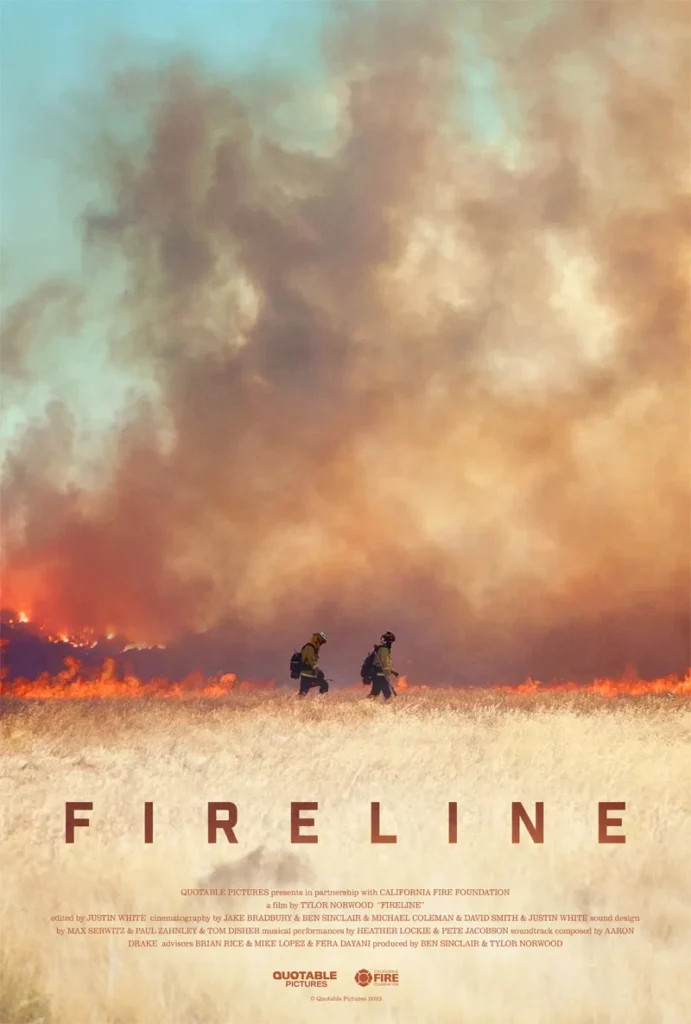
Enter the spectacle and drama of a Megafire, alongside firefighting teams struggling to save anything they can while protecting each other; revealing the friendship, heartbreak, and exhilaration of going to war against an elemental force.
The Beginning
Fireline was my first feature-length documentary, created in close collaboration with Tylor Norwood at Skydojo Media, who continues to be a mentor in both craft and process.
Production began in 2021 across multiple fire departments throughout California. As footage accumulated, I built the editorial backbone of the project — developing a proxy workflow, organizing timelines, and preparing for what would eventually exceed 50TB of 4K material. At that stage, the final form of the film wasn’t yet clear. We debated whether the story should unfold episodically or as a single feature. The structure had to be discovered through the material.
A pivotal moment came when we filmed Gavin Newsom at a press conference addressing the Dixie Fire, which opened the door to deeper access through the California Governor’s Office of Emergency Services. Through Tylor’s persistence, we embedded with strike teams on active assignments, including a high-stakes operation defending the town of Janesville. We were also granted access to CAL OES leadership, filming directors Mark Ghilarducci and Kim Zagaris, which provided critical insight into how the statewide firefighting system operates at scale. Experiencing both the command structure and the engine-level reality clarified the narrative spine of the film — balancing institutional coordination with lived experience on the ground.
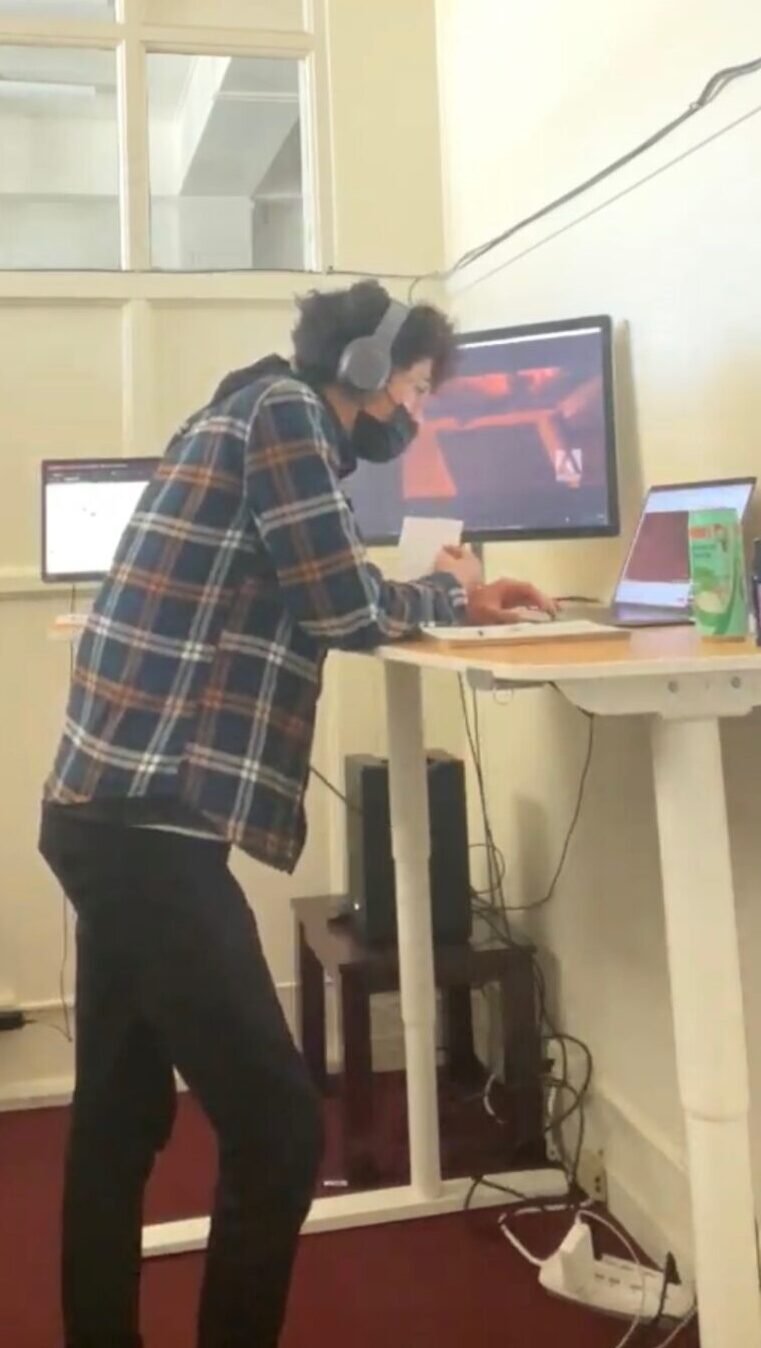
The editing process was demanding and iterative. I built timelines exceeding twelve hours of synced footage and audio, weaving together interviews, verité, radio chatter, and off-camera moments. Preserving those sonic textures became essential. It was important that the audience not only see the work, but hear the environment — the tension in dispatch calls, the coordination over radios, and the quiet stretches between urgency.
Music played a foundational role in shaping rhythm. I often rely on temporary score early in the process to establish pacing and emotional architecture. During development, I referenced the restrained tension of The Last of Us Part II (Original Soundtrack), the atmospheric weight of the score from Sicario, and the ambient textures of Jefre Cantu-Ledesma. Each brought a distinct tonal quality — urgency, dread, or stillness — helping define the internal movement of sequences before transitioning to an original score.
In the final stage, those temporary tracks were replaced with custom compositions, deepening my understanding of how thematic motifs support narrative. Each force within the story — the fire itself, the strike teams, and state leadership — developed its own musical identity. Watching those elements evolve reinforced how sound and image work together to convey scale without losing the human center.
After two years of revisions and return trips to capture additional footage, we held a pre-screening with agency leadership and multiple fire departments. One of the most meaningful moments for me came when a firefighter shared that during the sequence where the strike team entered the fireline, his Apple Watch alerted him that his heart rate was too high. To me, that meant we had done the atmosphere justice — that someone who lives this reality felt transported back into it.
While the film captures both boots-on-the-ground action and the larger logistical framework, its deeper thread explores the psychological toll these increasingly large-scale fires place on crews: double and triple shifts, extended time away from home, and the quiet normalization of exhaustion. Through our interviews, we learned that this cumulative mental weight is rarely discussed — often accepted simply as part of the job. We wanted to illuminate that burden, along with the camaraderie that carries them through it, highlighting the responsibility and resilience these young veterans shoulder — even at 19 or 24 years old.
Fireline ultimately became an exercise in endurance — both logistically and creatively — and a defining step in shaping large-scale documentary storytelling while preserving intimacy.